Depo Provera
Lawsuits filed against Depo-Provera manufacturers allege they knew their drug could cause brain tumors, cancers, and bone loss and yet they failed to warn doctors and patients about these risks.
Lawsuits filed against Depo-Provera manufacturers allege they knew their drug could cause brain tumors, cancers, and bone loss and yet they failed to warn doctors and patients about these risks.
Transvaginal mesh lawsuits, once part of one of the largest multidistrict litigations in U.S. history, have mostly resolved. Over 100,000 cases were filed, and settlements and verdicts exceeded billions. The main MDL closed in November 2022, but lawyers continue to bring cases to state courts.
If you or a loved one has been diagnosed with meningioma after using Depo-Provera, you may qualify to file a lawsuit. The eligibility criteria include the following:
Use of Depo-Provera or its generic versions at least twice since 1992 A diagnosis of meningioma following Depo-Provera injections These lawsuits aim to hold pharmaceutical companies accountable for not adequately warning patients about potential risks and to seek compensation for medical expenses, pain and suffering, and other damages.
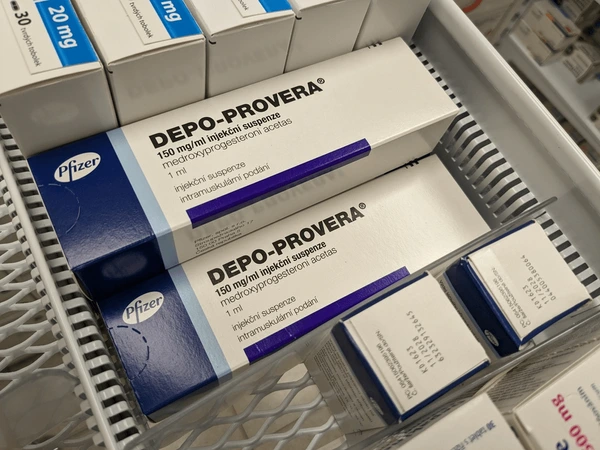
Depo is a term commonly associated with Depo-Provera, a prescription birth control injection for women. It contains the hormone medroxyprogesterone, which prevents pregnancy by stopping ovulation, thickening cervical mucus, and thinning the uterine lining. Typically administered once every three months, Depo-Provera is known for its long-term effectiveness and convenience. However, it may also be linked to side effects such as weight gain, mood changes, delayed return of fertility, and, in some reports, more serious concerns like bone density loss and increased cancer risks, leading to several legal actions against manufacturers. In legal contexts, the term "depo" may also refer informally to a deposition, where a witness gives sworn testimony outside of court. Additionally, "Depo" can signify stock symbols like Depomed (DEPO) or be used as a surname, such as in Wacław Depo, a Polish Roman Catholic bishop. Thus, the word “Depo” may represent a wide range of meanings depending on the context in which it is used.
This retrospective study was conducted from November 2010 to April 2018. We recruited women with Pelvic Organ Prolapse Quantification (POP-Q) stage 3 or 4 who underwent mesh reconstructive surgery for POP, and enrolled 487 women who received transvaginal mesh (TVM) and 110 women who received laparoscopic abdominal sacrocolpopexy (LASC). Assessments included mesh exposure rate and mesh-related complications requiring surgical interventions in both groups.
In the LASC group, the overall mesh-related complication rate was 8.18% over a mean follow-up period of 18 months. Concomitant laparoscopic-assisted vaginal hysterectomy was associated with mesh exposure (OR = 9.240; 95% CI = 1.752–48.728). No patients in the concurrent supracervical hysterectomy group were exposed to mesh. In the single-incision TVM group, the overall rate of mesh-related complications was 3.29% over a mean follow-up period of 19 months. Concomitant total vaginal hysterectomy was also a risk factor for mesh exposure (OR = 4.799; 95% CI = 1.313–17.359).

The Depo-Provera contraceptive has been available worldwide for nearly 60 years, with the U.S. Food and Drug Administration (FDA) approving its use in the United States in October 1992.
Approximately one to two million women in the U.S. use Depo-Provera each year, and around 20% of women in the country have utilized it at some point in their lives.
In the U.S., a 150 mg dose is administered via intramuscular injection every three months, typically in the buttock or upper arm.
Depo-subQ provera 104 is a progestin designed for women of reproductive age to prevent pregnancy and alleviate pain associated with endometriosis. It is administered as a subcutaneous injection in the thigh or abdomen.
According to the Mayo Clinic, endometriosis is often a painful condition characterized by tissue similar to the inner lining of the uterus growing outside of it. This condition commonly affects the ovaries, fallopian tubes, and the tissue lining the pelvis, with pelvic pain being its primary symptom.
Consult a Healthcare Provider: The first step is confirming that your medical condition is linked to Depo-Provera. If you have experienced any of the side effects listed above, it is crucial to speak with your doctor and gather evidence that connects your health issues to the contraceptive.
Seek Legal Guidance: If your doctor confirms that Depo-Provera may have contributed to your condition, it’s important to speak with a lawyer who specializes in pharmaceutical litigation. They can assess your case, help you understand your legal options, and guide you through the process of filing a lawsuit.
Collect Important Records: Keep detailed records of your medical history, including any treatments, diagnoses, or prescriptions related to Depo-Provera. Your legal team will need this documentation to build a strong case and pursue the compensation you deserve.
By filing a Depo-Provera lawsuit, you may be able to recover damages for medical expenses, pain and suffering, lost wages, and more. If you’ve been harmed by this drug, taking legal action could help you regain control and hold the manufacturer accountable.


Prior lawsuits against Pfizer had already raised concerns about the drug’s safety. Earlier cases focused on the risks of pseudotumor cerebri and significant bone density loss, but the side effects were not adequately highlighted in Depo Provera’s warnings. Now, with the connection to meningiomas, Pfizer faces even greater scrutiny.
Pfizer Inc.: The primary defendant responsible for the drug’s production and labeling.
Viatris Inc.: Involved in distributing Depo Provera and its generic versions.
Greenstone, LLC: A Pfizer subsidiary distributing the drug's authorized generic version.
Prasco Labs: Another generic distributor of Depo Provera.
Pharmacia & Upjohn: The original developer of Depo Provera, acquired by Pfizer in 2002.
If you or a loved one have been diagnosed with meningioma after using Depo Provera, you may be eligible for a lawsuit. The criteria include: Use of Depo Provera or its generic versions at least twice after 1992 A diagnosis of meningioma after receiving Depo Provera injections
The goal of these lawsuits is to hold pharmaceutical companies accountable for failing to warn patients of the potential risks and to seek compensation for medical expenses, pain and suffering, and other damages.
When considering a lawsuit related to Depo-Provera, it is important to be aware of the legal time limits known as the statute of limitations. This timeframe dictates when individuals harmed by the drug can file a compensation claim.
Here’s what you should know:
The statute of limitations for product liability cases, including those involving dangerous drugs like Depo-Provera, varies by state. Generally, the period to file a claim ranges from 2 to 4 years, depending on your location. In many instances, the countdown begins from the date of the injury or when the plaintiff should have reasonably become aware of the injury caused by the drug. For Depo-Provera lawsuits, this means the statute of limitations may start when you were diagnosed with meningioma or other serious side effects rather than when you received the injection.
Failing to file a lawsuit within the statute of limitations could result in losing your legal right to seek compensation. Therefore, it is crucial to act promptly if you believe that Depo-Provera has caused harm to you or a loved one. We can assist you in determining how much time you have left to file a claim based on the specific laws in your state.
Using Depo-Provera can lead to various side effects with severe potential risks. Women taking Depo-Provera have reported serious side effects, including vision problems and memory loss. In rare instances, the hormone progestin in the birth control shot has been linked to brain tumors and other neurological issues.
It’s crucial to be aware of these potential side effects and to consult your doctor immediately if you experience any concerning symptoms. If you believe you have suffered serious side effects from Depo-Prover
Medical records, pharmacy records, and testimony from medical professionals are key to establishing a link between Depo-Provera use and the development of a brain tumor.
Compensation can include past and future medical expenses, lost wages, and non-economic damages like pain and suffering.
The extent and impact of the tumor on the plaintiff's health and daily life can significantly influence the settlement amount.
If the manufacturer is found to have acted with gross negligence or willful misconduct, punitive damages may be awarded.
If you or a loved one has suffered harmful side effects after receiving Depo-Provera injections, you may have the right to take legal action against the drug’s manufacturer. Many women were unaware of the significant risks associated with this contraceptive and are now facing serious health problems. A lawsuit can help you seek justice and obtain compensation for your suffering.
Common Conditions That May Qualify You for a Lawsuit
Osteoporosis or Bone Loss If you have been diagnosed with bone density loss, osteopenia, or osteoporosis after using Depo-Provera, you could be eligible to file a claim. The drug has been shown to cause significant bone weakening, particularly in women who used it for extended periods.
Cancer Diagnosis:Women who developed breast cancer after receiving Depo-Provera may qualify for a lawsuit. Studies have linked the synthetic hormone in the injection to an increased risk of developing cancer, especially for younger women and long-term users.
Mental and Emotional Disorders:If you have experienced severe mood swings, depression, anxiety, or other psychological effects after using Depo-Provera, you might have a case. Many users report ongoing mental health issues that have impacted their quality of life and ability to work
Severe Physical Complications:Women who have experienced strokes, blood clots, or other severe physical conditions tied to Depo-Provera use could also qualify. These health problems can be life-threatening and result in long-term medical care.